

Research Projects of Significant National Interest 2022
DURATION: 24 months (from 28.9.2023)
KEYWORDS: wine, Iron Age, Roman Age, North Adriatic area, vine varieties
LIST OF RESEARCH UNITS:
University of Verona
Principal Investigator of the Project: Patrizia Basso – Department of Cultures and Civilisations (CuCi).
University of Bologna
Head of Research Unit: Antonio Curci – Department of History Cultures and Civilisations (Disci).
Sub Unit
CREA, Research Centre for Viticulture and Oenology – Head Dr. Manna Crespan
IN COLLABORATION WITH
Diana Bellin
Department of Biotechnology, University of Verona
Marialetizia Carra
ArcheoLaBio, Bioarchaeology Research Centre, Department of History Cultures Civilisations (Disci), University of Bologna
Elisabetta Cilli
aDNA Lab, Ancient DNA Laboratory, Department of Cultural Heritage – University of Bologna.
RESEARCH ASSIGNMENTS:
Giada Bolognesi (University of Verona)
Arianna Codato (University of Bologna)
Dimitri Van Limbergen (University of Verona)
PHD
Martina Marini – Department of Biotechnology University of Verona
Gaia Vicenzi – Polish Academy of Sciences, Warsaw in co-tutorship with the Department of History Cultures Civilisations (Disci), University of Bologna.

DESCRIPTION OF THE PROJECT
Since the first attempts in the late 19th-early 20 century to explore the role of viticulture and wine in Roman society and economy through various classes of evidence, research on ancient wine has significantly expanded and matured.
This project specifically focuses on wine in the northern Adriatic region from Iron Age to Late Antiquity. It aims in particular to study its production (and thus the specific resources of a territory and the human capacity to transform them into a finished product) and its consumption (and thus its contextualisation within society and culture) from the 7th century BC (the period in which the first domestic grape seeds in the area are documented) to Late Antiquity (4th-5th century AD).
Within this diachronic perspective, it intends to highlight the evolution and transformation of vine-growing and winemaking in this geographical area, which offers many interesting archaeological sites that have never been studied specifically from this point of view. In particular, we focus on a large and diverse territory that includes some of the provinces of Emilia-Romagna (Rimini, Forlì-Cesena, Ravenna Bologna and Ferrara), Veneto (Rovigo, Padua, Treviso, Verona, Vicenza) and Friuli Venezia-Giulia (Udine, Gorizia, Trieste).
This wide area is characterised by different environments between lagoon, plain and hillside, suitable, therefore, for the cultivation of different grape varieties.
The project relies on a strongly multi-disciplinary and interdisciplinary methodological approach, basically divided into three main fields of research: archaeology, archaeobotany and genetics. More precisely, the project intends to bring together data from archaeological analyses of material culture (confronted also with literary and iconographic sources) with those from archaeobotanical analyses of grape seeds collected in excavation contexts and genetic analyses of ancient DNA extracted from the grape seeds themselves. In addition, in some specific cases, biomolecular analyses are also applied to trace wine residues in the wine-making spaces, tools and transport containers identified during the archaeological excavations.
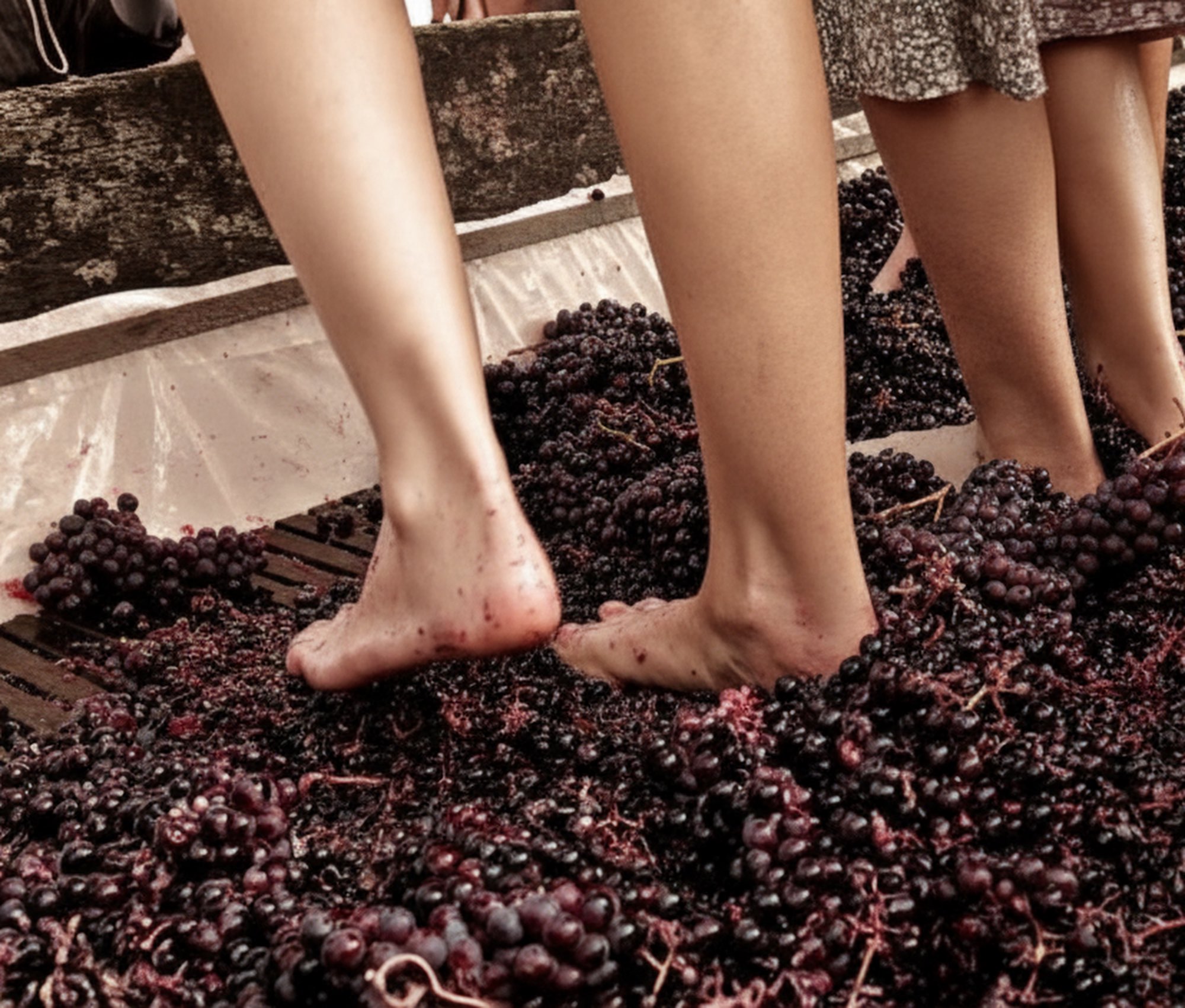
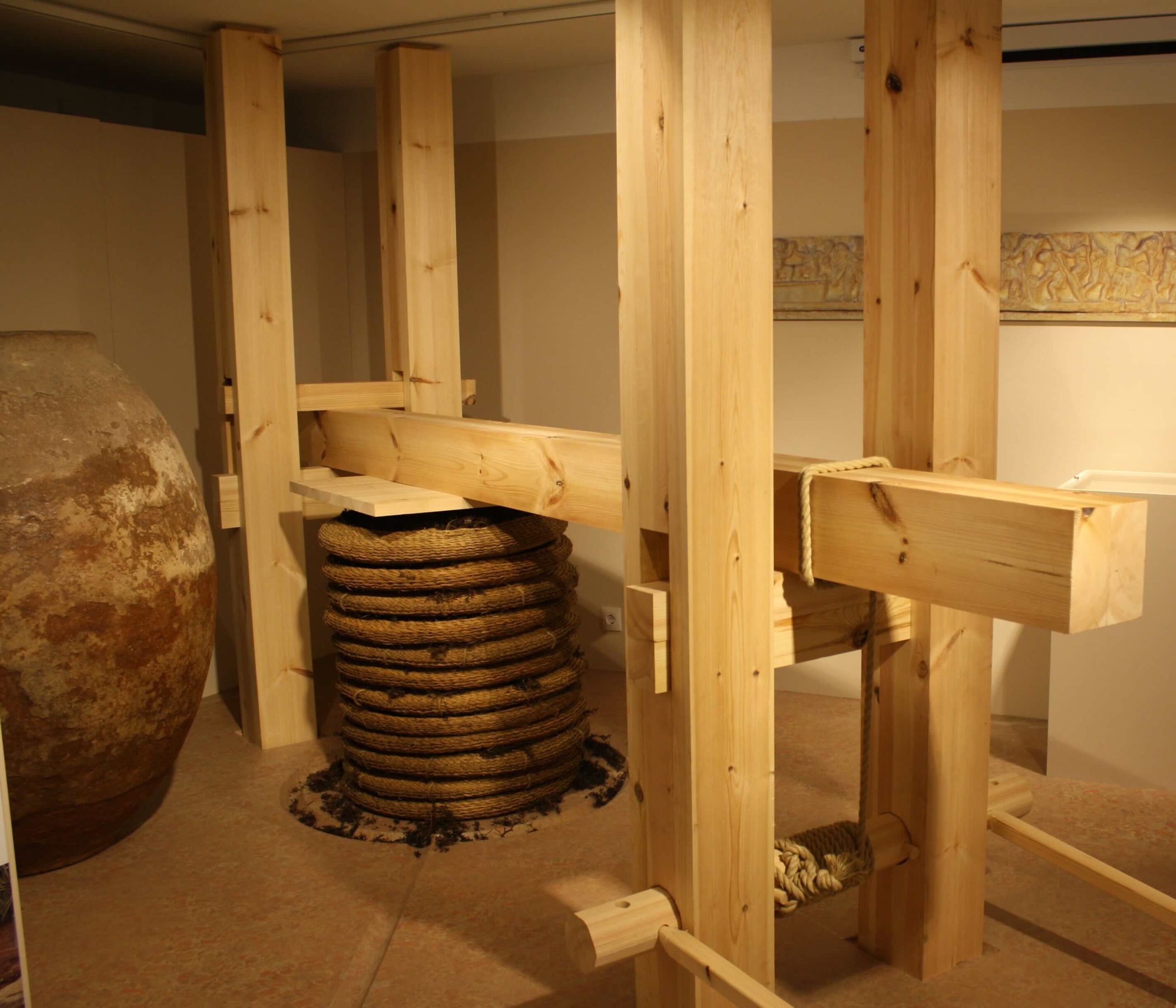
With regard to the archaeological remains, the project aims at the total census of structures and artefacts related to vine-growing and grape processing. This includes the various tools unearthed in the rural settlements of the area (such as pruning and harvesting pruning hooks, wine presses for crushing, fermentation containers), but also the work spaces proper (such as calcatoria, where crushing took place, equipped with drainage channels that flowed into the lacus, i.e. the tanks for collecting the must; the torcularia, where the pressing of the grapes took place; the terracotta dolia buried in the cellae vinariae or the wooden barrels where fermentation took place). Biomolecular analyses conducted in collaboration with Nicolas Garnier’s French laboratory provided information regarding some processing structures and artifacts used for transport in the Upper Adriatic area: the analyses were aimed at clarifying the use of such evidence in relation to wine production and trade.
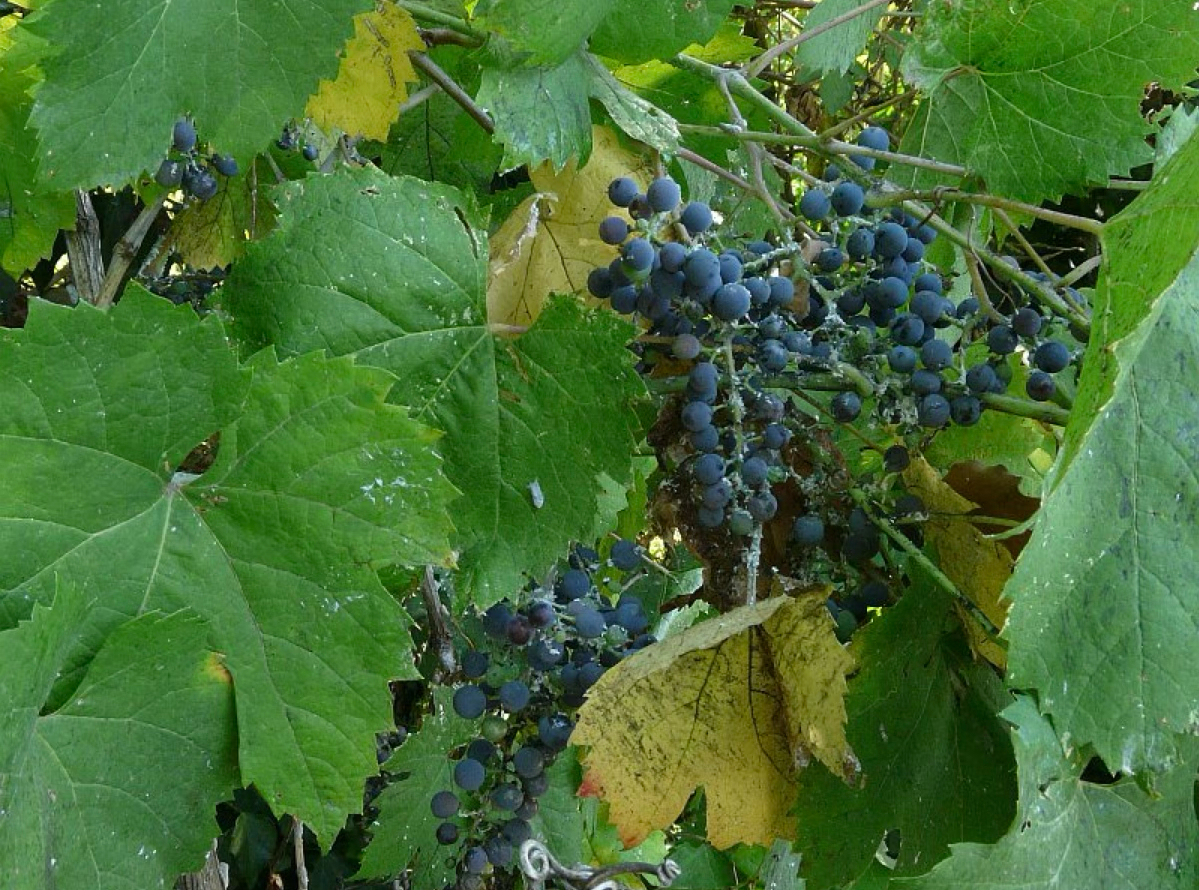
These data are supplemented with archaeobotanical analyses. In recent years, thanks to an increased awareness of the importance of sampling, flotation and analytical techniques, the methods for determining whether grape seeds collected from excavations belong to Vitis vinifera sylvestris (and thus to wild species) or to Vitis vinifera sativa, i.e. to domestic vines used for wine production, have advanced considerably. In addition, morphometric and dimensional studies have been developed in recent years, which are useful for distinguishing grape seeds of particular cultivars by comparing them with modern grape seed collections from vines found in the Adriatic region.
Also in the last decade, research on ancient DNA has progressed considerably, thanks to the advent of next-generation sequencing technologies and the development of customised extraction methods and sequencing library construction. For varietal identifications, data from ancient cultivars is to be compared with knowledge on vines from historical vineyards in Veneto, genotyped with molecular markers. This forms the third major pillar of the project.
In the end, by applying these approaches and closely confronting the various new data obtained as such, we aim not only to identify the ancient vine varieties cultivated in the area under investigation, but also to gather archaeological and historical information on vine-growing and winemaking techniques. This will shed new light on continuities and innovations over the long period from prehistoric times to Late Antiquity.
ROLE OF RESEARCH UNITS
Both units work in close cooperation: results are compared and discussed in collective meetings, during which the work in progress is continuously reviewed.
University of Verona (Research Unit 1):
The first work team is composed of a classical archaeologist (Patrizia Basso), a first research fellow who deals with the census and study of archaeological data (Dimitri Van Limberghen) and a second one (Giada Bolognesi) who deals with ancient DNA analyses (library production, target enrichment and NGS sequencing and bioinformatic data analysis), with the technical support of the Plant Genetic Biotechnology laboratory of the Department of Biotechnology of the University of Verona, and in particular Diana Bellin and a PhD student of the same department (Martina Marini). The analyses also make use of the facilities dedicated to the manipulation of ancient DNA available at the University of Bologna (aDNALab, Department of Cultural Heritage, Bologna), where DNA extraction will be conducted to avoid contamination (Elisabetta Cilli).
The collaboration with CREA supports the interpretation of the data. Manna Crespan, in charge of this subunit’s activities, provides expertise and knowledge on grapevine varietal identification, pedigree studies, history, evolution and dissemination/migration of grapevine germplasm. CREA hosts the National Catalogue of Italian Varieties, so it also provides useful materials on local varieties within the project.

University of Bologna (Research Unit 2):
The second work team consists of a bioarchaeologist (Antonio Curci, head of the ‘ArcheoLaBio’ Bioarchaeology Centre), an archaeobotanist (Marialetizia Carra), who is in charge of the research and morphometric analysis of fossil grape seeds, a research fellow (Arianna Codato), whose role is aimed at the extraction of ancient DNA at the aDNALab laboratory, and a PhD student (Gaia Vicenzi), who collaborates with archaeological and archaeobotanical research.
This Research Unit is responsible for the census of Iron Age archaeological sites, in direct dialogue with the Verona Unit; it conducts archaeobotanical studies of macroscopic vine remains and, in agreement with the University of Verona and the CREA, samples grape seeds of current varieties in the area, which are subjected to a morphometric study to search for any affinities with ancient forms.
PROJECT PARTICIPANTS
Unit 1 – University of Verona
Patrizia Basso
Full Professor of Classical Archaeology at the Department of Cultures and Civilisations, University of Verona. Research interests: Roman architecture and in particular the theatres and amphitheatres, also considered in the structural and functional transformations known in medieval and modern cities; the reconstruction of Roman rural landscapes (in particular roads and rural necropolises); excavation and valorisation methods, also through the direction of archaeological research in Aquileia on the amphitheatre and on late antique markets and walls; the Roman economy and in particular wine production. Among other projects, he has recently coordinated the project In Veronensium mensa. Food and wine in ancient Verona, (a scientific project of excellence from the Cariverona Foundation), dedicated to the multidisciplinary and diachronic study of food and wine in Verona and its territory. She has organised numerous conferences and seminars, directs a book series and is a member of the scientific committee of several Italian and international journals.
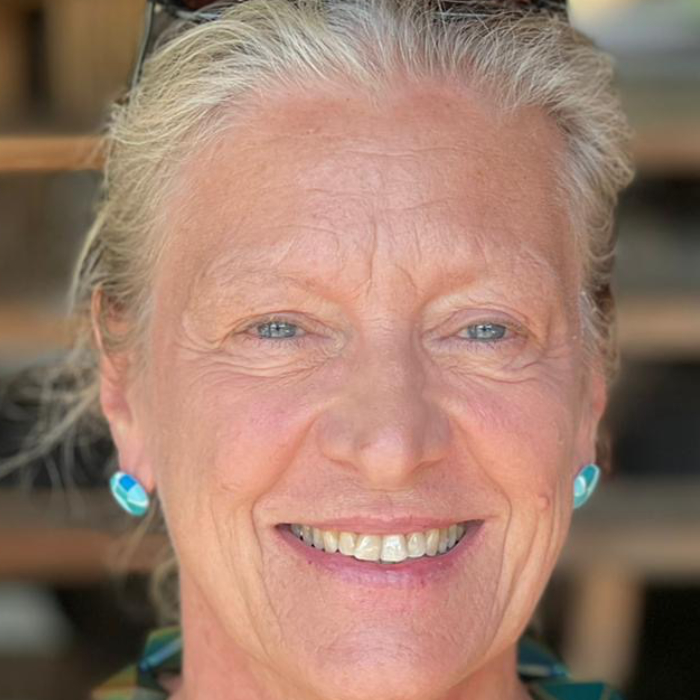
Diana Bellin
Associate Professor in Plant Genetics, University of Verona, Department of Biotechnology. She has been working in plant genetics, both on model plant species as well as in crops. Her work is
focused on plant genetics and breeding. I worked on characterization of plant pathogen interaction mechanisms both in Arabidopsis thaliana as well as in grapevine system. Recently her research activity has been focused on the dissection, by mean of genetic approaches, of grapevine response to abiotic stress and regulation of grapevine phenology as well as on studying genetic diversity in grapevine.

Dimitri Van Limbergen
Dimitri is a classical archaeologist specialized in the study of ancient agriculture, food production and economy, with a particular focus on all things related to wine and olive oil. In particular, he has ideated and developed the approach of paleo-terroir, which deals with the close relationship between landscape, climate and man in vine cultivation strategies and wine production infrastructure. As such, he has revolutionized our knowledge of Roman vineyard layout and most recently the vinification process and sensory profiles of Roman wines.
Dimitri holds a double PhD in Archaeology from the universities of Pisa and Ghent , and he was a postdoctoral researcher at the latter institute from 2015 until 2023. He was a Fellow of the Accademia Belgica and the Belgian Historical Institute in Rome, the Collegio dei Fiamminghi in Bologna, and the DAI in Berlin, and a Visiting Scholar at Columbia University in the City of New York (BAEF) and Padova University. He is currently Journal Managing Editor at LEIZA – Leibniz-Zentrum für Archäologie in Mainz, and also a member of FOST – Interdisciplinary Historical Food Studies at the Free University of Brussels.

Giada Bolognesi
Giada Bolognesi obtained her PhD at the Laboratory of Genetic Biotechnology of the Department of Biotechnology of the University of Verona under the supervision of Diana Bellin and is now a postdoctoral research fellow. Her PhD work dealt with genetic analyses of grapevines, for which she contributed to the optimisation of an ancient DNA extraction protocol.

Martina Marini
Martina Marini is a PhD student at the Laboratory of Genetic Biotechnology of the Department of Biotechnology of the University of Verona. She deals with genetic analyses of vines, in particular the study of phenology, resistance and genetic diversity.

Unit 2 – University of Bologna
Antonio Curci
Full Professor at the Department of History Cultures Civilizations of the University of Bologna, he directs the Bioarchaeology Research Center “ArcheoLaBio”. He deals with Bioarchaeology, in particular with paleoeconomic and paleoenvironmental reconstructions through the analysis of zooarchaeological remains. His research areas include methods of archaeological documentation, 3D survey and relief, cultural heritage conservation and enhancement.
He is director of the excavation project of Grotta delle Fate (Premilcuore -FC), of Grotta San Biagio (Ostuni, BR) and co-director of the Aswan-Kom Ombo Archaeological Project (AKAP-Egypt). Winner of Italian and international competitive calls, he has organized numerous conferences and seminars, is a member of the scientific committee of some journals and is president of the Italian Association of Archaeozoology.
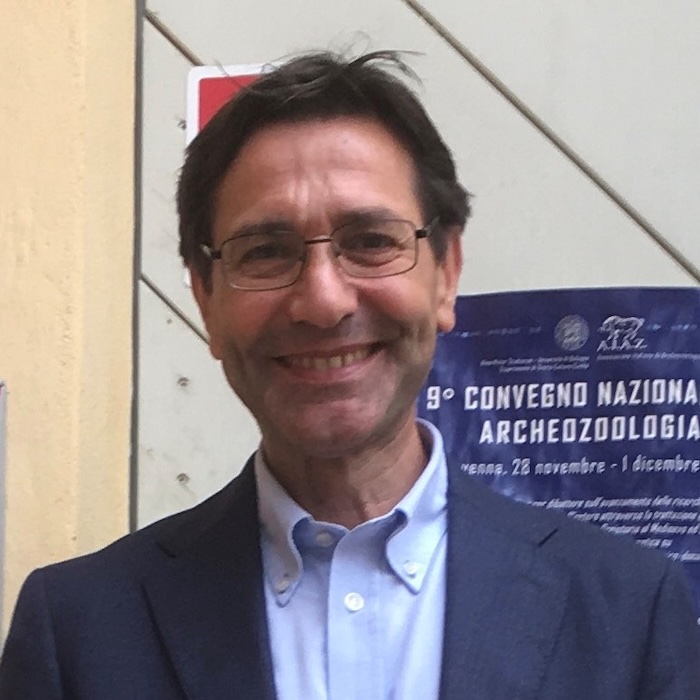
Marialetizia Carra
Marialetizia is a researcher at the Department of History and Cultures of the University of Bologna, where she deals with the analysis of plant macro-remains in sites of various chronologies. She is a professor of Environmental Archaeology and works at the Bioarchaeology Research Center “ArcheoLaBio”. Previously, she collaborated on the European project Hidden Foods, for the study of food resources used by hunter-gatherer populations in the Italian and Balkan areas.
Diachronic archaeobotanical analysis of plant macro-remains helps reconstruct human-plant relationships over time. This includes studying agricultural innovations like plant domestication, crop rotation, fruit growing, horticulture, and plant modifications through human selection, as well as dietary changes across different periods.
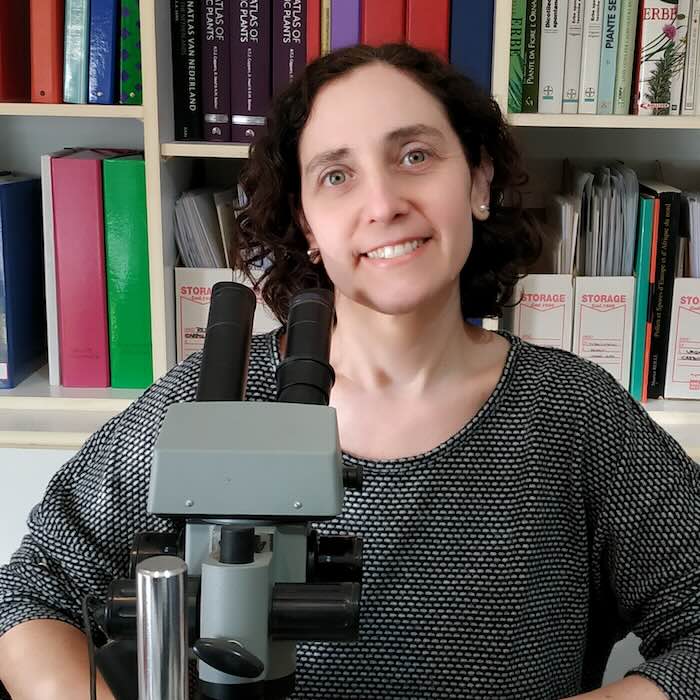
Elisabetta Cilli
Elisabetta Cilli carries out didactic and research activities at the University of Bologna, as an Adjunct Professor of Archaeogenetics and laboratory technician. Since 2020, she has been a National Geographic Explorer. The research activity includes scientific investigations aimed at the study and understanding of archaeological contexts and remains, through the application of the methodologies of ancient DNA, in order to contribute to the reconstruction of the history, life and dynamics of human and animal communities of the past in relation to the environment and resources.

Gaia Vincenzi
Gaia is a PhD student at the Polish Academy of Sciences in Warsaw in co-supervision with the Department of History and Culture of the Bologna University. Her thesis focuses on archaeobotanical remains from Spina (FE), an Etruscan port city, where the trade and production of wine are attested by the numerous botanical remains of grape seeds. She collaborates with various projects of the Bioarchaeological Research Center ArcheoLaBio.

SUB Unit: CREA Centro di ricerca per la Viticoltura e l’Enologia
Manna Crespan
Research Manager at CREA – Research Centre for Viticulture and Oenology, Conegliano (TV) site, in the disciplinary sector ‘Agricultural Genetics’ (AGR/07). She is involved in the field of characterisation and identification of grape varieties with molecular markers. She carries out studies on the kinship relationships between grape varieties, in order to learn about the history and evolution of the national ampelographic platform, the relationships with varieties cultivated in other countries, the spread and migration of varieties. She is the creator and head of SIV (the Service for Identification of grapevine Varieties), founded in 2009 and based on DNA analysis. She conducts association mapping studies in search of genes related to agronomic traits of interest for grapevines.